
Sidewalks, Walkways & Flatwork
Safe, attractive pathways that connect your property and enhance curb appeal.
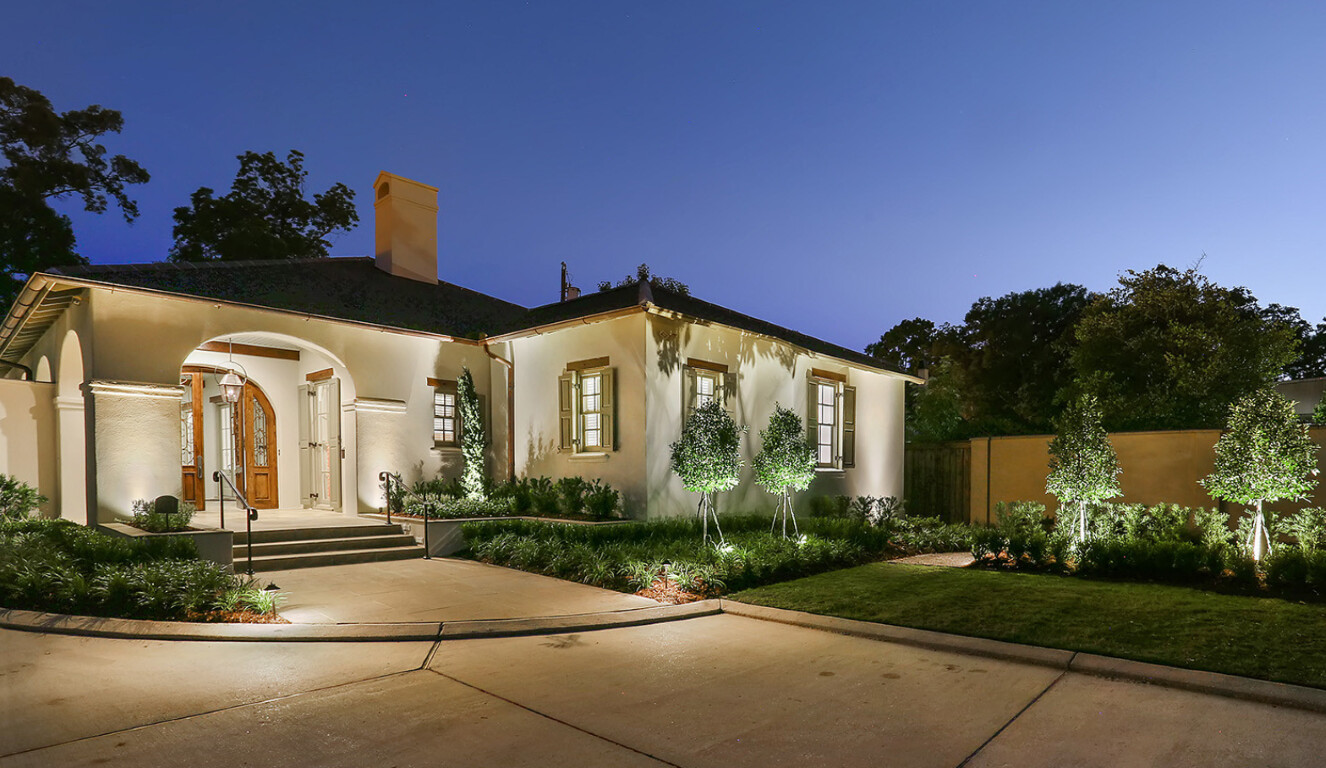
Creating Safe and Functional Pathways
Sidewalks and walkways serve essential purposes beyond just moving from point A to point B. They create safe routes around your property, protect landscaping from foot traffic, and define outdoor spaces. A well-planned network of walkways makes your entire property more usable and enjoyable. You stop cutting across grass that turns muddy when it rains or trampling garden beds to reach the mailbox.
Concrete excels for these applications because it provides stable, level surfaces that handle daily use without deterioration. Unlike gravel that scatters and needs constant refreshing, or mulch that decomposes and harbors insects, concrete stays put and performs reliably. It does not develop ruts, holes, or uneven spots that create trip hazards. Rain does not turn it into a muddy mess. In Florida's climate, concrete walkways resist the moisture, heat, and biological growth that plague other materials.
We design and install sidewalks and walkways throughout Aventura for homes and businesses. Each project starts with understanding how you move around your property and where safe pathways make the most sense. Maybe you need a front walk from the driveway to your entrance. Perhaps a backyard path connecting your patio to a shed or garden area would eliminate worn grass and muddy routes. We help you plan walkways that truly improve how you use your outdoor space.
Understanding Concrete Flatwork
Flatwork is the term concrete professionals use for any horizontal concrete surface. This includes sidewalks, walkways, pathways, courtyards, and other level installations. While the term might sound technical, it simply describes the type of concrete work that creates the surfaces you walk or drive on. Understanding flatwork helps you see how different installations relate and why similar techniques apply across various projects.
Common flatwork projects we complete include:
- •Front walkways connecting driveways or streets to main entrances
- •Backyard pathways linking patios, gardens, sheds, or other outdoor features
- •Side yard walks providing access around homes for maintenance and utilities
- •Garden paths winding through landscaping to create inviting outdoor experiences
- •Courtyard surfaces creating usable space in front yards or between buildings
- •Concrete aprons at garage doors for smooth transitions from driveway to garage
- •Equipment pads providing stable bases for air conditioning units, generators, or other machinery
Each application shares common installation principles but varies in specific requirements. Width matters more for main walkways that might accommodate two people walking side by side. Decorative paths can be narrower. Load-bearing flatwork like equipment pads needs thicker concrete than foot-traffic-only walkways. We size and design each installation appropriately for its intended use.
Design Considerations for Walkways
Walkway design involves more than drawing straight lines on a site plan. The path should feel natural and flow well with your property's layout and architecture. Straight walks suit formal designs and direct routes. Curved paths create softer, more organic feels and can navigate around obstacles like trees or landscaping features. We help you choose layouts that both function well and look appealing.
Width affects both function and aesthetics. A 36-inch wide walkway accommodates single-file traffic comfortably. Bumping that to 48 inches allows two people to walk side by side. Main entrance walks often benefit from wider dimensions that create a welcoming feel. Secondary paths can be narrower since they see less traffic and serve more utilitarian purposes. We recommend appropriate widths based on how you will use each walkway.
Surface finishes range from basic broom texture to decorative options. A standard broom finish provides excellent traction and suits most applications perfectly. Stamped or decorative finishes elevate appearance for prominent walkways where aesthetics matter more. Exposed aggregate offers a beautiful, natural look with superior grip. Color options let you match or complement existing hardscaping. The finish you choose should balance appearance, budget, and practical needs like traction.
Borders and edging define walkways and create visual interest. A contrasting border separates the walkway from adjacent landscaping or lawn. Soldier course edging with bricks or pavers adds a finished, polished look. Simple scored lines can delineate walkway edges affordably. These details might seem minor but they significantly impact the overall appearance and perceived quality of your walkways.
Installation That Ensures Long-Term Performance
Quality flatwork installation follows the same fundamental principles as larger projects like patios or driveways. Proper site preparation creates a stable foundation. We excavate to appropriate depth, install and compact base material, and ensure correct grading for drainage. Shortcuts during these steps cause the settling, cracking, and performance issues that require repairs later.
Drainage deserves special attention for walkways. Water needs somewhere to go when it rains. Walkways should slope gently to direct water away from buildings and prevent pooling. We evaluate your property's drainage patterns and design walkways that work with natural water flow rather than against it. This prevents water problems that damage both the concrete and surrounding areas.
Control joints manage concrete's natural tendency to crack as it cures and experiences temperature changes. These planned joints create weak points where cracks will occur in controlled, straight lines rather than randomly across your walkway. Proper joint spacing based on walkway width and thickness keeps cracks where we want them. This technical detail might not be obvious in the finished product but it significantly affects long-term appearance.
Concrete thickness must suit the intended use. Walkways that only see foot traffic can be thinner than surfaces that might occasionally support vehicle weight. We specify appropriate thickness based on your specific situation. This ensures adequate strength without wasting money on unnecessarily thick concrete. Getting these details right during installation prevents problems that would require expensive repairs.
Frequently Asked Questions
Ready for New Walkways?
Get a free quote for your sidewalk or walkway project. We will assess your property and recommend the best layout.
(954) 910-2040