
Concrete Leveling
Lift sunken concrete back to level without the cost and mess of full replacement.
The Smart Alternative to Concrete Replacement
Sunken or settled concrete creates more than just cosmetic problems. Uneven sidewalks become trip hazards. Driveways with settled sections pool water and accelerate damage. Patios that slope toward your house direct rainwater where you definitely do not want it. These issues frustrate you daily and potentially expose you to liability if someone gets injured.
Traditional solutions mean jackhammering out the sunken concrete, hauling away debris, and pouring new sections. This process takes days, costs thousands of dollars, and leaves you with new concrete that does not quite match the weathered appearance of existing slabs. The mess and disruption affect your entire property. You might need to stay off the area for a week or more while concrete cures.
Concrete leveling offers a better way. We lift settled slabs back to their original position without removal or replacement. The process completes in hours rather than days, costs significantly less than replacement, and creates no mess or debris. You can use the area again almost immediately. We provide this service throughout Aventura and surrounding areas for homeowners tired of dealing with uneven concrete.
How Concrete Leveling Works
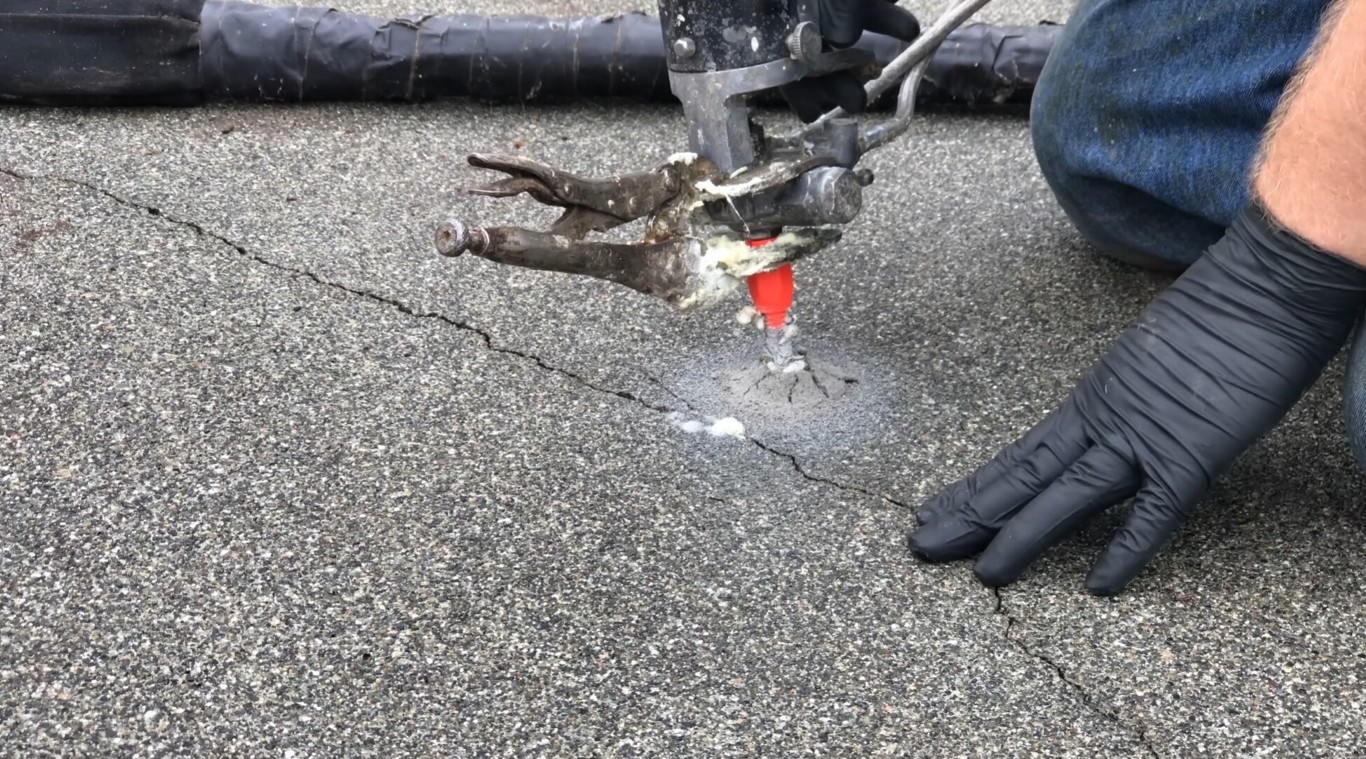
Modern concrete leveling uses advanced techniques that work remarkably well. The most common method involves drilling small holes through the sunken concrete. We then pump specialized material beneath the slab. This material fills voids under the concrete and expands, lifting the slab back to level. The process is precise and allows us to raise concrete in small increments until we achieve perfect alignment.
Here is what happens during a typical leveling project:
- •Assessment of settled areas to determine amount of lift needed and underlying causes
- •Drilling small access holes in strategic locations on the sunken slab
- •Pumping specialized leveling material beneath the concrete through the holes
- •Monitoring lift progress and adjusting material flow for precise alignment
- •Filling access holes with color-matched concrete for finished appearance
- •Final inspection to ensure proper levels and drainage patterns
- •Immediate use of the leveled area with no extended curing time
The leveling material we use hardens quickly and provides permanent support. It does not wash out, compress, or deteriorate over time. Once leveled, your concrete stays level as long as no new settling occurs. The small access holes we drill are hardly noticeable once filled. Most people cannot tell where we worked after the project completes.
Timing matters with leveling projects. The sooner you address settled concrete, the easier and less expensive leveling becomes. Minor settling responds beautifully to this process. Severe settling or concrete with extensive cracking might not be good candidates. We assess every situation honestly and recommend leveling only when it makes sense for your specific circumstances.
When Leveling Makes Sense
Not every settled concrete slab qualifies for leveling. The concrete itself must be structurally sound. Extensive cracking, significant damage, or concrete that has broken into multiple pieces generally requires replacement rather than leveling. But if your concrete is in decent condition and the main issue is settling, leveling probably works great.
Driveways that have settled at joints or along edges are ideal candidates. The settling creates lips that catch snow shovels in winter or scrape car undercarriages. Leveling eliminates these problems completely. Sidewalks with trip hazards between sections benefit tremendously from leveling. You remove the danger without replacing perfectly good concrete.
Patio slabs that have settled and now slope toward your house need attention before water damage occurs. Leveling corrects the grade so water flows away from your foundation as intended. Pool decks with uneven sections create safety concerns and look terrible. Leveling restores both safety and appearance. Garage floors that have settled and cracked at control joints often level well if the cracks are not too severe.
Cost comparison makes leveling attractive. Replacement typically costs two to three times more than leveling for the same area. When you factor in less disruption, faster completion, and immediate use, leveling delivers excellent value. Money saved through leveling can go toward other property improvements or simply stay in your budget for other priorities.
Addressing the Root Causes
Concrete does not settle randomly. Something causes it. Understanding why your concrete settled helps prevent future problems. Soil erosion from poor drainage is a common culprit. Water flowing under concrete washes away supporting soil. The concrete loses support and settles into the void. Fixing drainage issues prevents the problem from recurring after we level your concrete.
Poorly compacted fill soil also causes settling. If the base layer was not compacted properly during original installation, it gradually compresses under the concrete's weight. This settling might take years to become noticeable. When we level concrete over poorly compacted soil, we also address base issues to prevent new settling.
Tree roots sometimes grow beneath concrete, lifting sections. When the tree is removed or roots die back, the concrete settles into the space roots previously occupied. We evaluate whether active tree roots pose ongoing concerns. Sometimes root barriers or tree removal becomes necessary to protect leveled concrete long-term.
Our assessment includes identifying why your concrete settled. We do not just fix the symptom. Addressing root causes ensures your investment in leveling pays off for years. This might mean recommending drainage improvements, base stabilization, or other measures beyond the leveling itself. These additional steps protect your concrete and prevent the frustration of dealing with the same problems again.
Frequently Asked Questions
Fix Your Sunken Concrete
Get a free assessment and quote for concrete leveling. We will evaluate your settled areas and provide a detailed estimate.
(954) 910-2040